
Does the bank own the home?
Families often start here because this is one of the most common misunderstandings. A clear explanation helps everyone ask better follow-up questions.
When a parent mentions a reverse mortgage, family members often have immediate concerns. This page is designed to slow the conversation down and help everyone understand the basics before making assumptions.
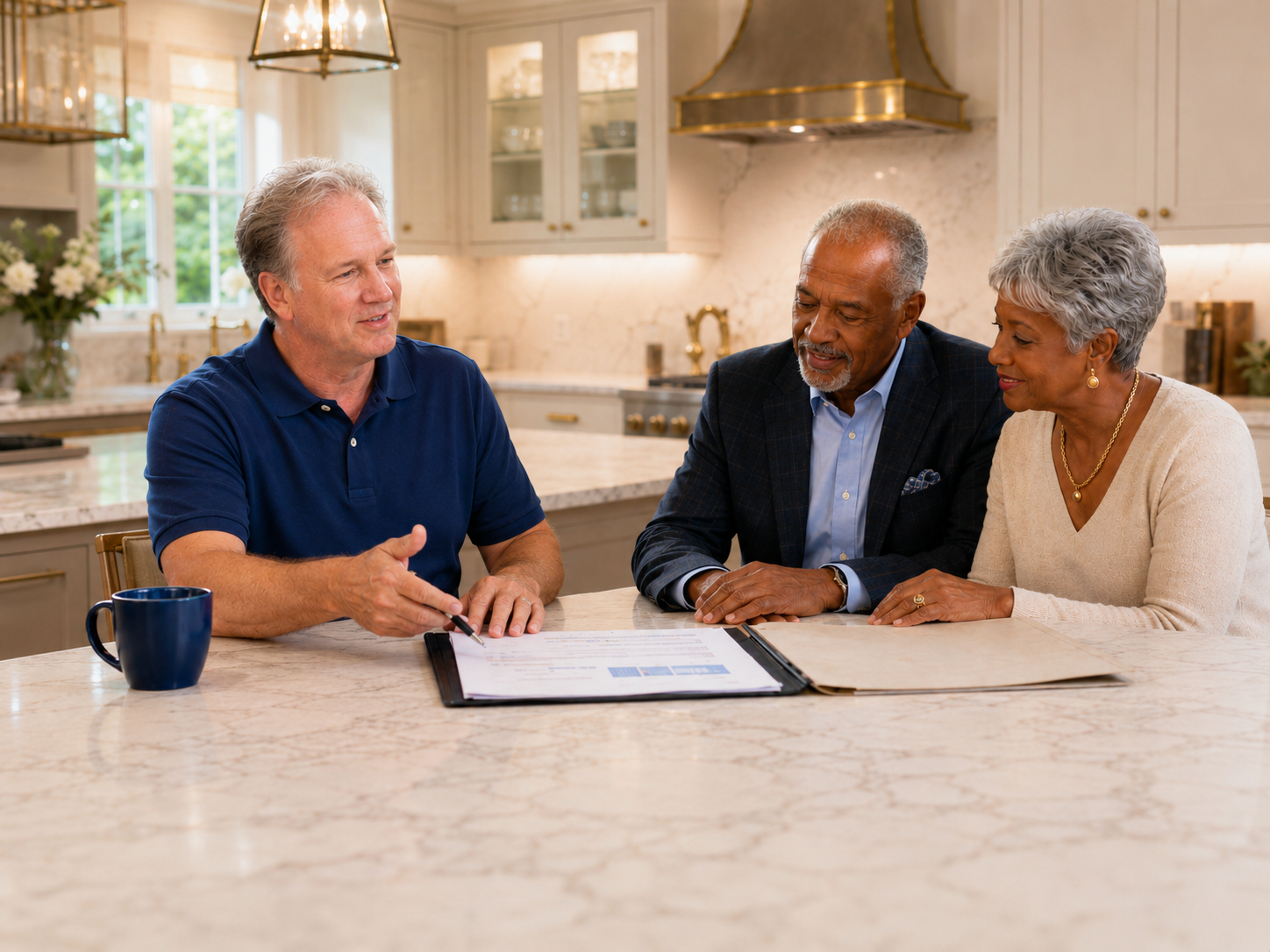
Adult children and relatives usually want to know what happens to the home, what responsibilities remain, how repayment generally works, and whether the homeowner will be protected from misunderstanding the decision.
Families often start here because this is one of the most common misunderstandings. A clear explanation helps everyone ask better follow-up questions.
It is important to understand what may cause the loan to become due and what options heirs or the estate may need to review.
Borrowers must continue to meet loan obligations, which may include living in the home as a primary residence, maintaining the property, and paying required property charges.
A reverse mortgage decision should not happen in confusion. Families benefit when everyone understands why the homeowner is exploring options, what problem they are trying to solve, and what the loan may or may not do.
Mortgage payment pressure, retirement cash flow, home repairs, care needs, or staying in the home longer may each lead to a different conversation.
Heirs should understand repayment events, estate considerations, and why qualified legal, tax, or financial advice may be helpful.
A reverse mortgage is one possible tool. Families may also compare downsizing, selling, refinancing, home equity loans, waiting, or doing nothing.
These are starting points families can use before making a decision or before joining a conversation with Russ.
What do I want my home equity to help me do, and what responsibilities would I still have?
What should we understand about repayment, heirs, property charges, and long-term plans?
What would make this a poor fit, and what other options should we compare before moving forward?
Russ can help slow the conversation down so homeowners and family members understand what may or may not fit the situation.